How They Ensure Top-Notch Quality
Adhering to Rigorous Standards
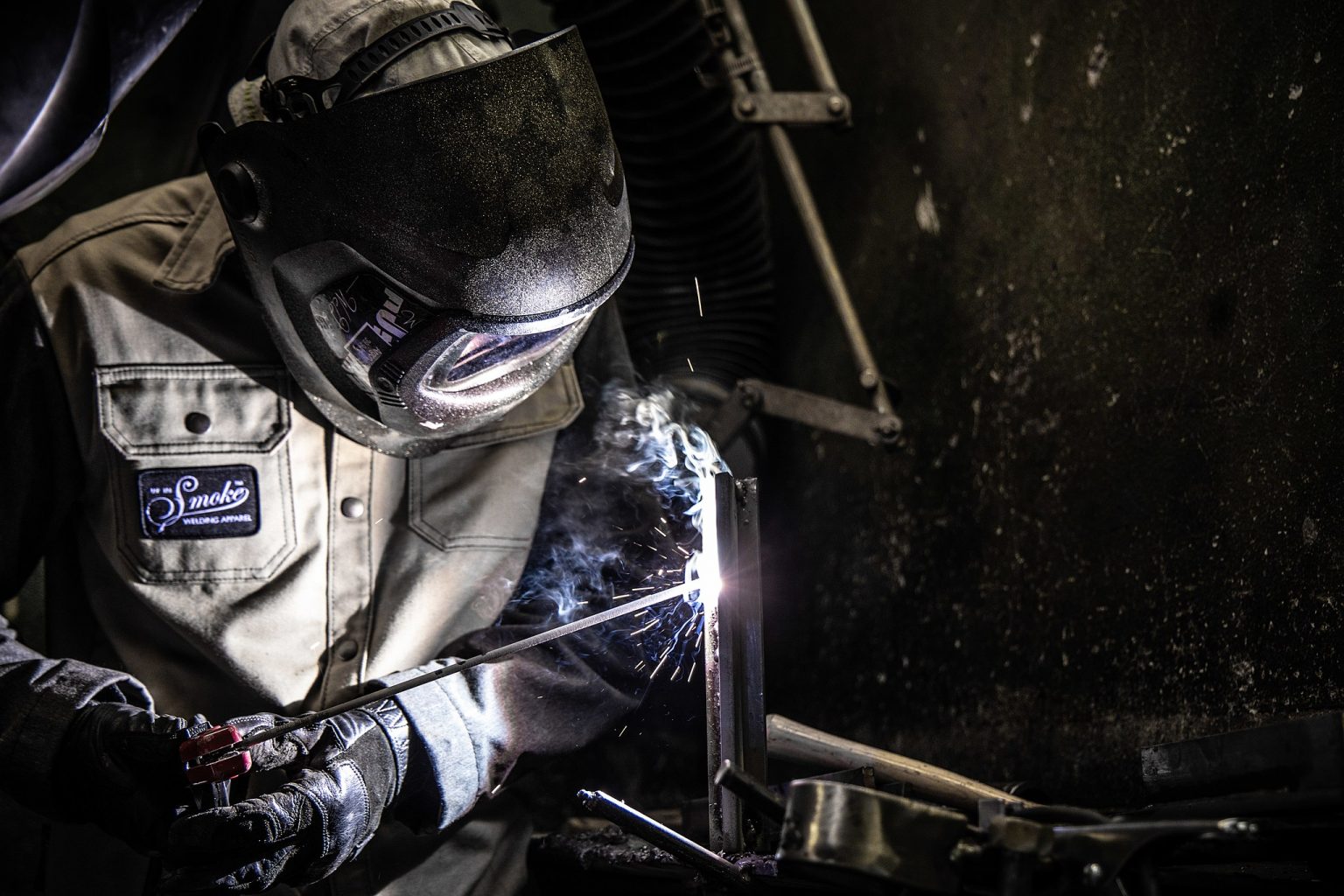
Certified welders are aware of all the rigorous industry codes and standards that they need to follow. Therefore, they make sure that every welding task meets the required specifications. Welding is all about ensuring strength, durability, and safety in every project. Adherence to the standards ultimately minimizes the risk of failures and defects and ensures that the final result meets the expectations. They make sure that each weld withstands the strains and stresses that can be encountered in its operational environment.
When it comes to safety, certified welders follow strict safety protocols and make sure to protect their ownselves and their coworkers. Additionally, they make sure that every task they perform does not lead to any failure and does not result in accidents or even catastrophic failures in the final product.
Whether it’s misalignment, cracking, or a case of porosity, certified welders know how these issues can be avoided; they stick to the standards that help them minimize defects. Minimizing defects leads to a more efficient manufacturing process and reduces the time and money spent on repairs and rework.
Consistent Workmanship
Quality welding requires consistency; a certified welder is skilled at executing every welding project with high accuracy. A high degree of accuracy is critical in industries like automotive, aerospace, and construction, where minor defects or deviations can lead to safety hazards of product failure.
Professional Welding specialists Auburn AL at SouthEastern Industrial Contractors LLC are equipped to produce uniform results. By sticking to the stringent standards a certified welder makes sure when a product is made with multiple components, each weld looks and performs uniformly, whether it’s the first piece or the tenth one. This uniformity makes the product reliable and aesthetic.
When welding lacks inconsistency, it creates weak spots in the structure, making it unsafe. Maintaining the consistency of certification ensures there is no risk of product failure and that the product is safe and reliable.
Material Expertise
Every material needs to be treated differently. Certified welders have extensive knowledge about the unique properties of each material and the appropriate methods required to use them. For instance, welding aluminum requires different equipment and techniques compared to welding stainless steel.
Using the right techniques for each material not only ensures that the welds are strong but also fits the material’s specific characteristics. This increases the performance and longevity of the welded parts. Additionally, different materials can react differently during the welding process. For instance, some materials may crack if not welded appropriately. Therefore, certified welders are equipped to identify such issues and prevent these problems from occurring, ensuring a top-quality product.